Lighting
Key, fill, backlight, and motivated sources that sculpt mood and depth.
28 master entries · 15 variants · 43 recipes
Available Light and Daylight-Only Variant
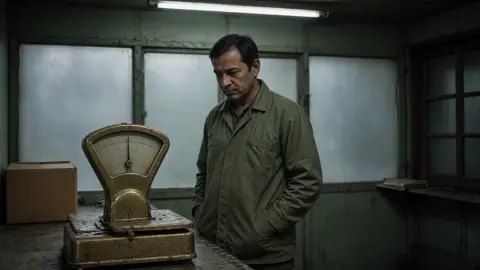
Available Light and Daylight-Only VariantLegacy preview · not recipe-validated+1 variantUse only the location sources allowed by the chosen variant; stage the action within their existing pools. Lock exposure and white balance so subject brightness changes follow position, not automatic compensation.
Backlight and Transmission
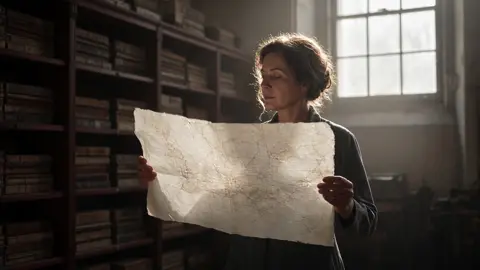
Backlight and TransmissionLegacy preview · not recipe-validatedPlace the dominant source behind the subject. Preserve physically transmitted detail and darker front planes; flag direct lens spill rather than drawing a luminous outline.
Blue Hour
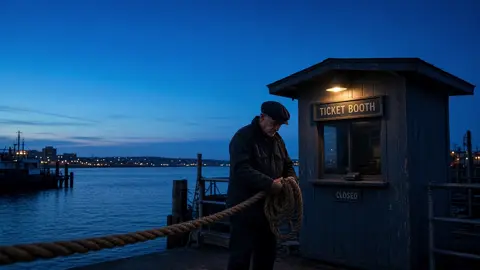
Blue HourLegacy preview · not recipe-validatedUse luminous twilight sky without a visible sun disc or hard noon shadows. Hold its ambient level through the brief take; keep warm practical influence local.
Bounce Light
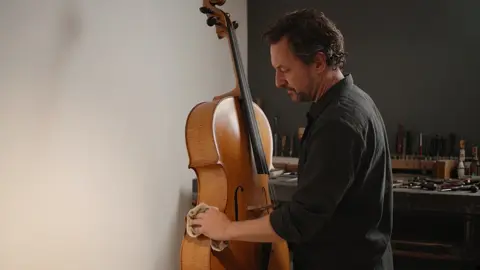
Bounce LightLegacy preview · not recipe-validatedMake the bounce surface the effective source and block direct lamp spill. Reflection shape and shadow direction must follow that surface, including any intentional color cast.
Broad and Short Portrait Lighting
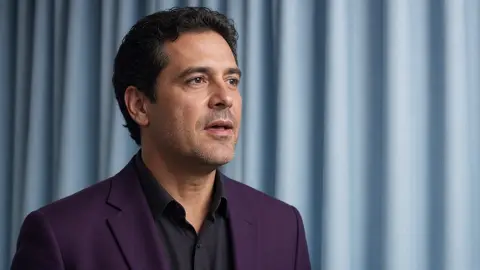
Broad and Short Portrait LightingLegacy preview · not recipe-validated+1 variantTurn the face enough to distinguish near and far cheeks. Key the cheek designated by the variant and hold head orientation; do not infer broad or short lighting from screen-left alone.
Low-Key and Cameo Isolation
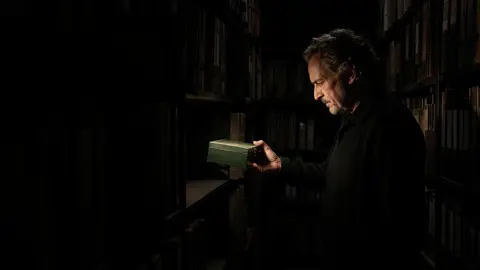
Low-Key and Cameo IsolationLegacy preview · not recipe-validated+1 variantExpose the intended action in a restricted light area while limiting spill and fill elsewhere. Background readability is optional and is deliberately absent in the cameo variant.
Visible Practical Sources
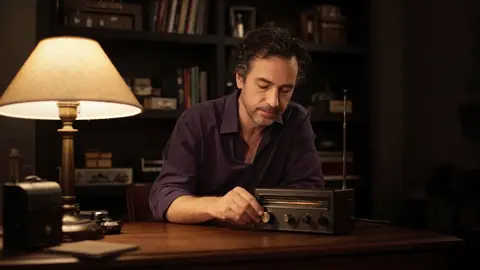
Visible Practical SourcesLegacy preview · not recipe-validated+2 variantsShow the working emitter and keep nearby illumination consistent with its position, spectrum and falloff. Any augmentation must follow it; flame flicker and saturated tube colors apply only to their variants.
Chiaroscuro Massing
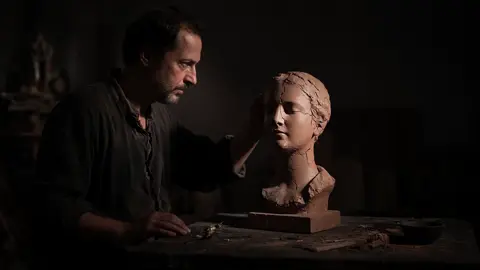
Chiaroscuro MassingLegacy preview · not recipe-validatedArrange deliberate bright and dark masses across forms. Restrict fill without losing the action; a rotating form must reveal different planes under a stationary source.
Cross Lighting
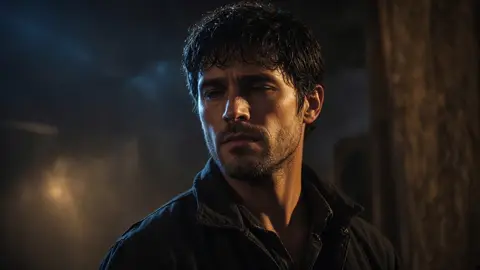
Cross LightingLegacy preview · not recipe-validatedKeep two opposing side sources assigned across the performers. Each source may key the farther performer and edge the nearer one; do not replace the system with equal frontal fill.
Projected Shadow Patterns
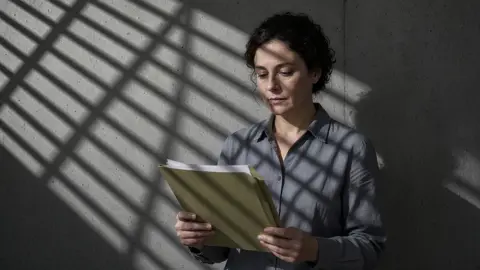
Projected Shadow PatternsLegacy preview · not recipe-validated+1 variantProject the chosen blocker pattern through a directional source. Shadows must wrap onto scene surfaces and change only with light, blocker or subject motion, never remain as a screen-space overlay.
Motivated Realization Light Cue
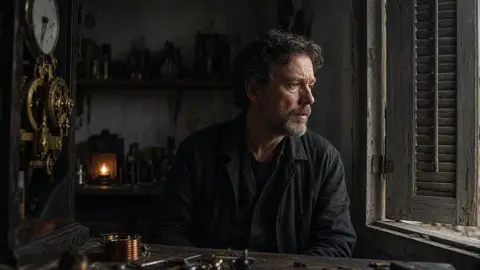
Motivated Realization Light CueLegacy preview · not recipe-validatedLink the light change to an observable shutter action and a timed realization. Keep camera exposure and background ambient fixed; establish the dim state before revealing the lit eyes.
Eye Catchlight
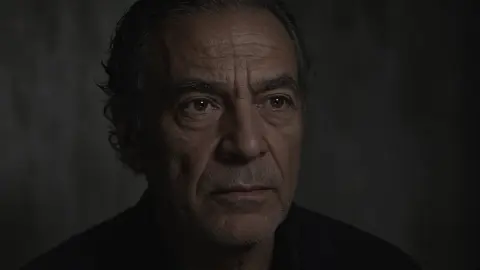
Eye CatchlightLegacy preview · not recipe-validatedKeep the near-axis source weak enough not to replace cheek modeling. Catchlights must be corneal reflections that occlude during a blink and move plausibly with gaze.
Fill Light
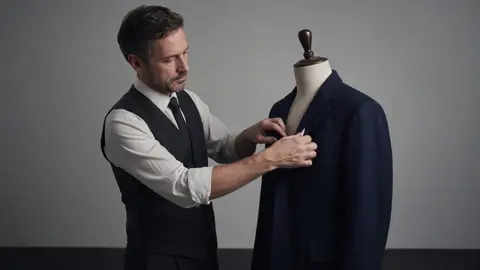
Fill LightLegacy preview · not recipe-validatedRaise shadow information without reversing or equalizing the main modeling direction. Use a broad contribution that does not create a competing sharp shadow; light ratios are setup references, not pixel ratios.
Glamour Portrait Lighting
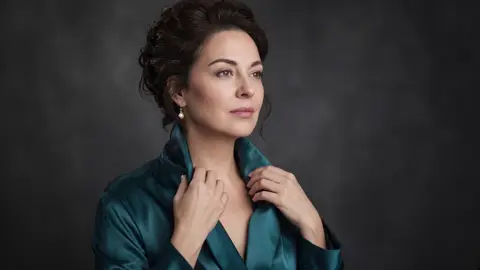
Glamour Portrait LightingLegacy preview · not recipe-validatedUse broad near-frontal modeling with restrained fill and accents. Preserve pores, eye detail and satin highlight structure; flattering does not mean shadowless or textureless.
Golden Hour
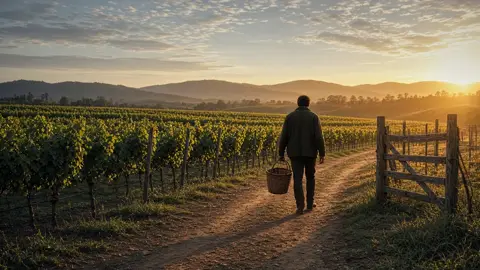
Golden HourLegacy preview · not recipe-validatedMaintain a low direct-sun direction and long consistent shadows. Preserve separate cool sky fill and warm sunlit surfaces; do not simulate the effect by tinting overhead noon light.
Selective Rear Accents
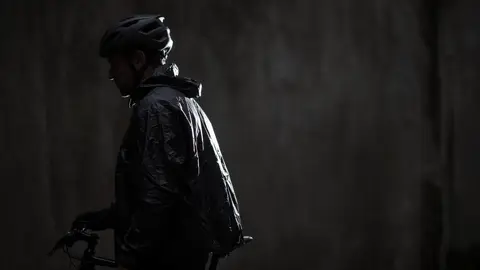
Selective Rear AccentsLegacy preview · not recipe-validated+3 variantsRestrict rear or rear-side sources to the variant’s chosen surfaces. Let highlight width and visibility follow real geometry; do not let an accent replace any separately established key or become a constant painted outline.
Hard and Soft Source Size
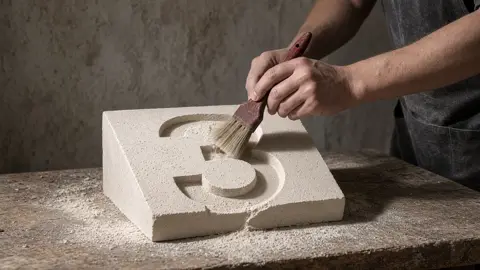
Hard and Soft Source SizeLegacy preview · not recipe-validated+1 variantChoose the apparent source size for the required shadow transition while keeping a discernible direction. Judge hardness by penumbra width, not brightness, contrast or blur of the whole image.
High-Key Lighting
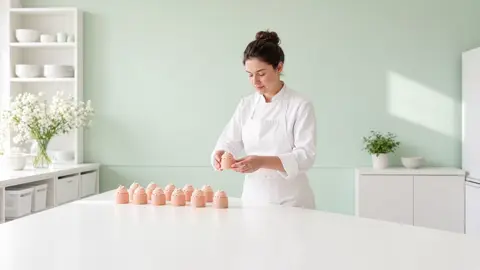
High-Key LightingLegacy preview · not recipe-validatedKeep the frame predominantly bright with low shadow contrast, while retaining distinct white materials and a modest directional cue. Equal isolated light contributions do not imply equal display values.
Dominant Key Light
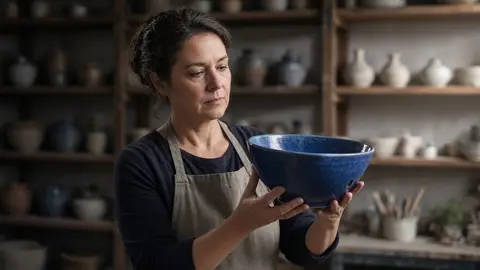
Dominant Key LightLegacy preview · not recipe-validatedMaintain one dominant modeling direction across face and object. Auxiliary sources must remain subordinate; moving an object changes its reflections, not the source position.
Portrait Nose-Shadow Patterns
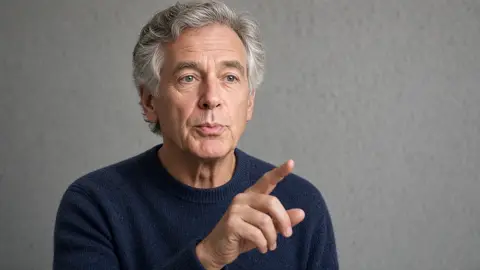
Portrait Nose-Shadow PatternsLegacy preview · not recipe-validated+2 variantsAdjust key height and offset for the chosen facial shadow pattern, accounting for this face. Hold head orientation and keep gestures clear of the nose; never impose one pattern’s shadow connection on another.
Motivated and Naturalistic Reinforcement
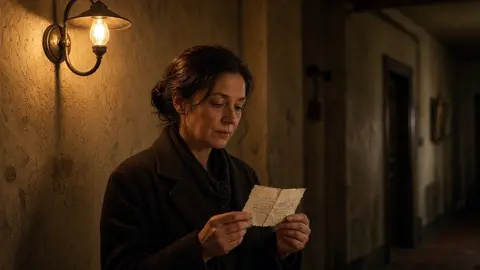
Motivated and Naturalistic ReinforcementLegacy preview · not recipe-validated+1 variantMatch any added source to an established direction, spectrum and falloff. In the naturalistic variant keep enhancement unobtrusive and preserve ordinary room shadows; do not add an unexplained beauty rim.
Lateral Modeling and Split Face

Lateral Modeling and Split FaceLegacy preview · not recipe-validated+1 variantKeep the key lateral to the selected surface. Only the split-face variant requires a frontal face and a near-vertical center boundary; general side light must not inherit that facial test.
Silhouette
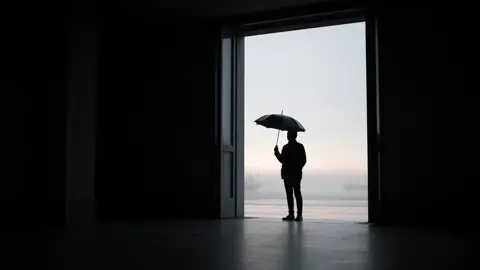
SilhouetteLegacy preview · not recipe-validatedExpose for the brighter background and suppress front detail. Stage limbs and props with readable gaps; do not replace silhouette separation with a synthetic glowing edge.
Bounded Spotlight Pool
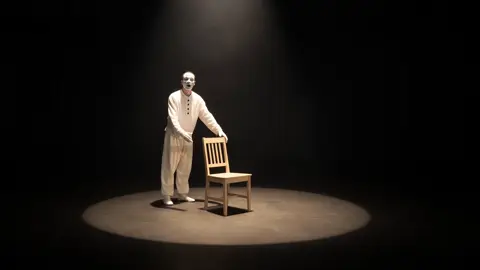
Bounded Spotlight PoolLegacy preview · not recipe-validatedKeep the spotlight pool and camera fixed for this demonstration. A performer becomes darker only by crossing its visible edge and regains the same illumination on returning.
Three-Point Lighting
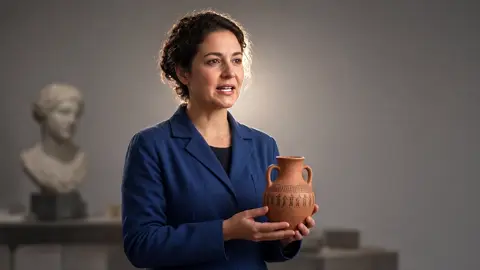
Three-Point LightingLegacy preview · not recipe-validatedAssign separate modeling, shadow-control and rear-separation roles. Keep fill subordinate and rear spill off the lens; evaluate each contribution independently before combining them.
Vertical Light Direction
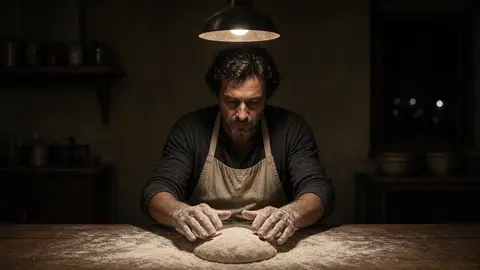
Vertical Light DirectionLegacy preview · not recipe-validated+1 variantPlace the dominant source above or below according to the variant. Cast facial shadows away from that source; do not require downward shadows in the underlighting variant.
Volumetric Light
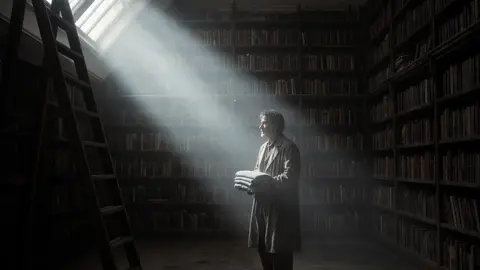
Volumetric LightLegacy preview · not recipe-validatedConnect the visible scattering volume to a directional source. Opaque objects must occlude it and cast a spatial shadow; keep density low enough to retain depth separation.
Window-Shaped Light
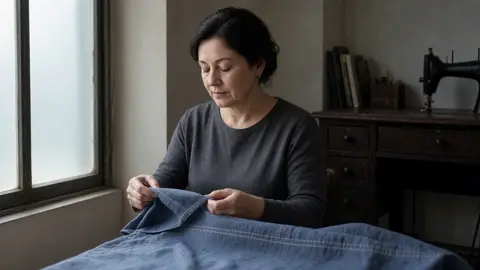
Window-Shaped LightLegacy preview · not recipe-validatedLet the window’s location and effective area determine the incoming light. Keep the opposite side subordinate and do not add hard sun patches under an entirely overcast frosted-window setup.