Composition
Arranging subjects and negative space inside the frame for balance, tension, and focus.
27 master entries · 9 variants · 36 recipes
Architecture-Led Texture Study
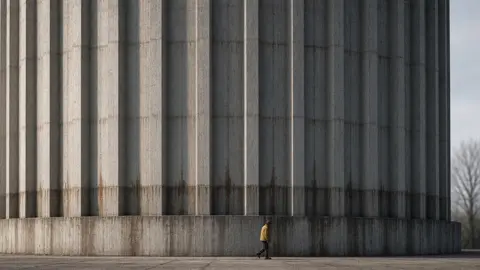
Architecture-Led Texture StudyLegacy preview · not recipe-validatedLet architectural mass and material rhythm dominate; preserve a small readable human scale cue and stable structural geometry.
Asymmetric Balance
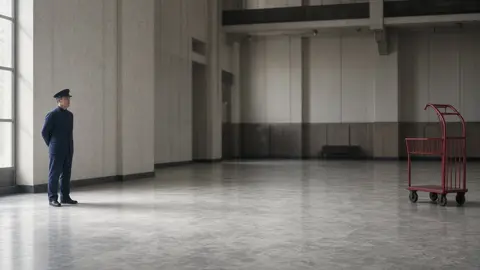
Asymmetric BalanceLegacy preview · not recipe-validatedArrange unequal masses with an intentional counterweight; do not recenter the subject or mirror the environment to manufacture balance.
Central-Axis Composition

Central-Axis CompositionLegacy preview · not recipe-validated+1 variantKeep the chosen subject on the dominant centerline. Whole-scene alignment is required only for the axial-environment variant, not for subject-only centering.
Clean Frame
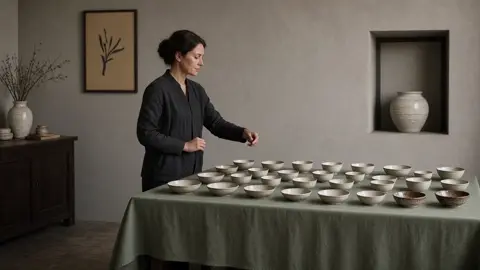
Clean FrameLegacy preview · not recipe-validatedExclude unintended near obstructions and edge intrusions while retaining the intentional set and the complete essential action.
Layered Depth Staging
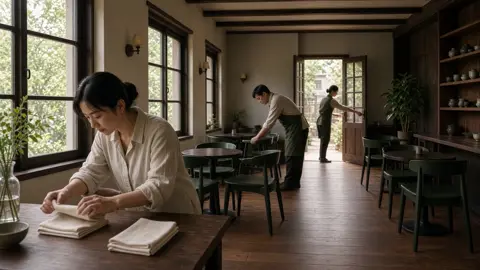
Layered Depth StagingLegacy preview · not recipe-validated+1 variantStage distinct near, middle and far planes with believable size and occlusion cues; sequence actions or move through those planes without flattening them into sliding cards.
Scene Diagonals

Scene DiagonalsLegacy preview · not recipe-validatedUse real scene diagonals to organize movement while keeping the reference camera unrolled; do not bend geometry or roll the whole frame as a substitute.
Occluded / Dirty Framing
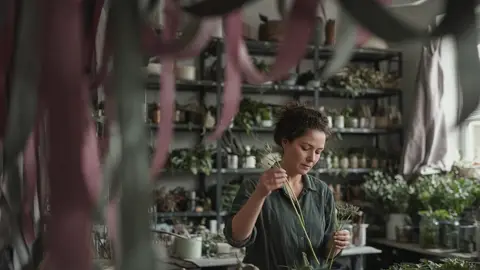
Occluded / Dirty FramingLegacy preview · not recipe-validated+1 variantRetain motivated near obstructions while keeping essential distant action readable. Concealed-observer variants additionally require a subject who does not acknowledge the lens.
Figure–Ground Separation

Figure–Ground SeparationLegacy preview · not recipe-validatedMaintain a readable subject contour against its immediate background through designed value, color or focus relationships, without an artificial halo.
Meaningful Foreground

Meaningful ForegroundLegacy preview · not recipe-validatedUse a motivated near object as a depth anchor, keeping the principal face and task unobstructed and the real distance order consistent.
Frame within Frame

Frame within FrameLegacy preview · not recipe-validated+1 variantKeep physical inner borders and the space they enclose coherent. A single opening contains one inner composition; a window-grid variant preserves each cell’s independent room activity.
Phi-Based Composition

Phi-Based CompositionLegacy preview · not recipe-validatedPlace specified anchors near the selected phi divisions and retain a readable scene-based path; keep construction guides out of the delivered image and avoid claiming exact mathematical form without verification.
Headroom Control

Headroom ControlLegacy preview · not recipe-validated+1 variantMeasure headroom from the top of the head or headwear. Preserve the chosen amount through the intended movement; conventional and deliberately excessive spacing are both valid variants.
Directional Space

Directional SpaceLegacy preview · not recipe-validated+2 variantsRelate empty frame space to the subject’s movement or gaze. Forward room supports that direction; short-siding deliberately reverses the allocation without changing the established direction.
Leading Lines

Leading LinesLegacy preview · not recipe-validatedPlace real structural edges so their visual direction leads to the intended action or destination; do not bend geometry to force convergence.
Location-Based Negative Space

Location-Based Negative SpaceLegacy preview · not recipe-validatedPreserve a substantial intentionally quiet area that still reads as part of the location; do not enlarge the small subject or fill the area with new objects.
Receding-Line Convergence
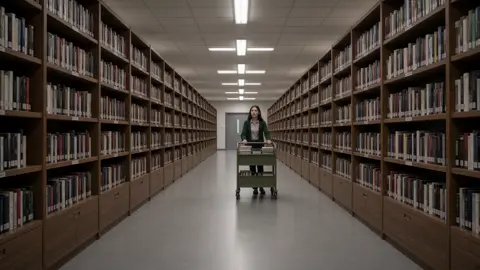
Receding-Line ConvergenceLegacy preview · not recipe-validated+1 variantKeep each chosen family of receding parallel lines projectively consistent. A centered one-point setup keeps frontal planes square; an off-axis variant may place the vanishing point away from center without bending the lines.
Reflective Composition

Reflective CompositionLegacy preview · not recipe-validatedKeep reflected geometry and movement causally linked to the same subject and mirror plane; set focus for the virtual image and position the camera outside its reflected field.
Repetition and Exception
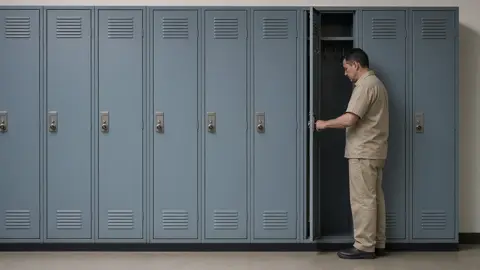
Repetition and ExceptionLegacy preview · not recipe-validatedKeep the repeated unit count and geometry stable while one motivated exception changes state; preserve small natural material differences rather than cloning identical defects.
Rule of Thirds
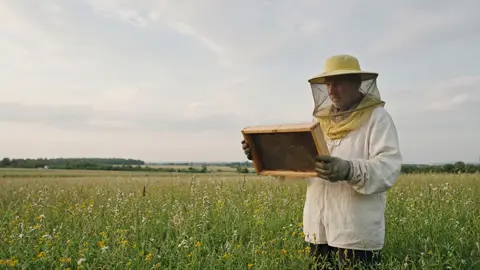
Rule of ThirdsLegacy preview · not recipe-validatedPlace the named anchors near the selected thirds lines or intersections; verify the delivered crop and keep guide overlays out of the image.
Image within a Physical Display

Image within a Physical DisplayLegacy preview · not recipe-validatedCreate independent outer-scene and inner-image assets, composite them simultaneously into the tracked physical display, and preserve bezel occlusion, timing and separate scene contexts.
Shallow Spatial Staging

Shallow Spatial StagingLegacy preview · not recipe-validatedKeep principal action in a narrow depth band and reduce receding-line and overlap cues; do not substitute background blur for flat spatial organization.
Bilateral Symmetry
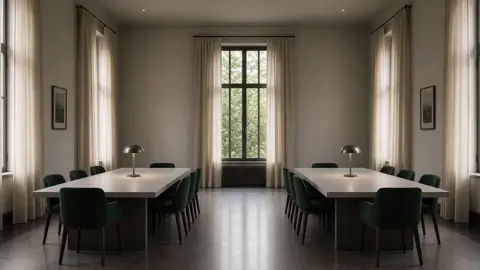
Bilateral SymmetryLegacy preview · not recipe-validatedPreserve corresponding spatial masses on both sides of a visible axis without digitally mirroring incompatible details; small natural differences are acceptable.
Tableau Staging

Tableau StagingLegacy preview · not recipe-validated+1 variantSustain the complete composed group relationship in one continuous view. Use only the declared small actions, whether staggered beats or a single adjustment that settles into a portrait. Do not fragment the group into individual coverage or replace living people with a frozen image.
Tonal Mass Composition
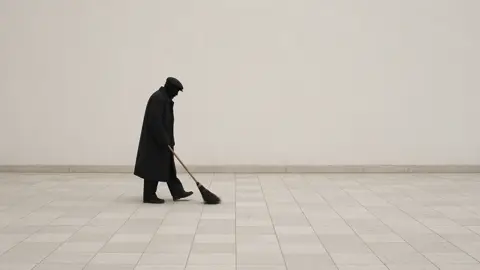
Tonal Mass CompositionLegacy preview · not recipe-validatedOrganize identifiable light and dark masses across the frame while retaining material detail and the chosen figure’s separation throughout its path.
Triangular Composition

Triangular CompositionLegacy preview · not recipe-validatedKeep three distinct visual vertices and readable gaps between them; hierarchy may use an apex and base, but the relationship must arise from staging rather than drawn guides.
Visual Weight and Attention

Visual Weight and AttentionLegacy preview · not recipe-validatedChange a motivated salience cue while preserving object size and location, so attention can shift without an unrelated zoom, spotlight or oversized glow.
Featureless Void

Featureless VoidLegacy preview · not recipe-validatedRemove readable environmental coordinates while keeping the subject properly exposed; movement must not reveal the hidden floor, corners or backdrop edges.