Camera Angle
The vertical and lateral viewpoint that shapes power, vulnerability, and POV.
15 master entries · 10 variants · 25 recipes
Bird’s-Eye and Overhead Views
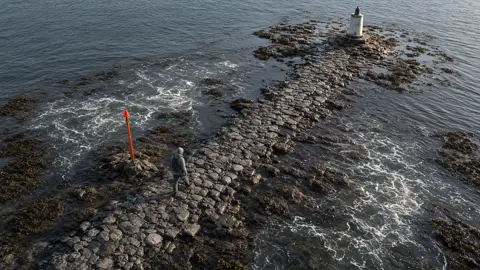
Bird’s-Eye and Overhead ViewsLegacy preview · not recipe-validated+1 variantUse a steep downward viewpoint to expose the action layout. In the perpendicular variant, keep the action plane square; do not require a visible face or horizon.
Dutch / Canted Angle
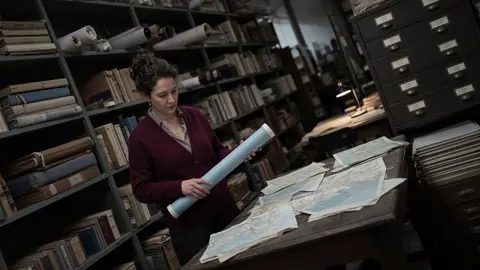
Dutch / Canted AngleLegacy preview · not recipe-validated+2 variantsHold one chosen optical-axis roll throughout the shot; the sign and amount of cant may vary, but gravity and straight scene geometry remain coherent.
Eye-Level View

Eye-Level ViewLegacy preview · not recipe-validatedMatch the camera height to the subject’s actual eye level and retain a level, unrolled reference view.
Character Point of View

Character Point of ViewLegacy preview · not recipe-validated+2 variantsAnchor the view to a named character’s eye position and sightline. Establish ownership through matched looking context or coherent first-person body cues, not an arbitrary floating camera.
Direct Audience Address
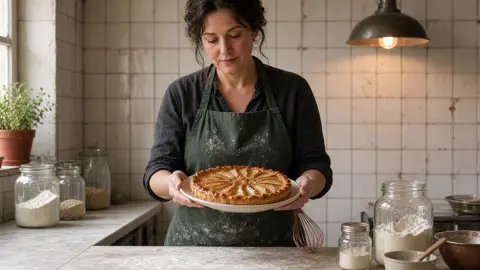
Direct Audience AddressLegacy preview · not recipe-validatedMake a deliberate, sustained acknowledgement of the viewer through the taking lens; do not place a diegetic scene partner on that same axis.
Ground-Level View
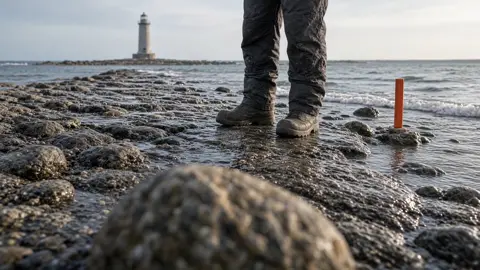
Ground-Level ViewLegacy preview · not recipe-validatedKeep the viewpoint close to the ground; specify pitch separately. Preserve ground texture and low occlusion cues rather than lifting to follow the actor’s face.
High-Angle View
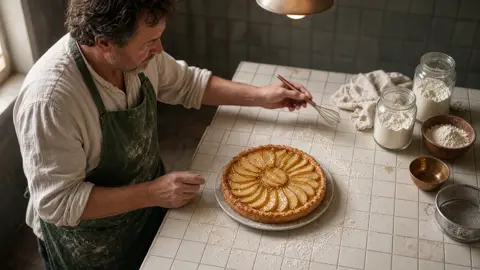
High-Angle ViewLegacy preview · not recipe-validatedLook obliquely downward from above the subject’s eyes while retaining readable face and action surfaces; do not substitute a perpendicular flat lay.
Hip-Level View
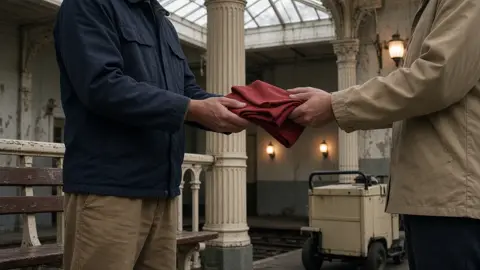
Hip-Level ViewLegacy preview · not recipe-validatedPlace the camera near the standing subject’s hip level and protect the hand-action band; camera height is not a prescribed full-body crop.
Low-Angle and Worm’s-Eye Views
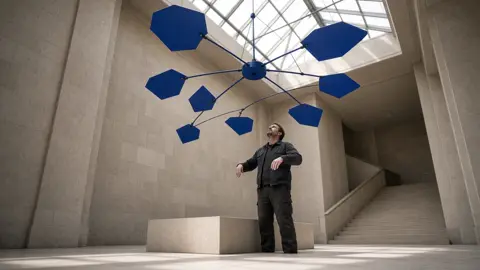
Low-Angle and Worm’s-Eye ViewsLegacy preview · not recipe-validated+1 variantUse an upward viewing direction from below the subject. The worm’s-eye variant adds near-ground height and a steep pitch; retain straight but converging rectilinear structures.
Over-the-Shoulder Framing and Coverage
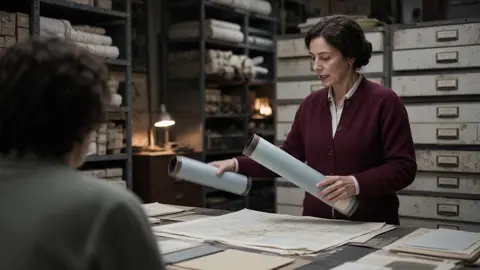
Over-the-Shoulder Framing and CoverageLegacy preview · not recipe-validated+2 variantsKeep a motivated near shoulder or head edge and a readable partner beyond it. For reverse coverage, preserve the interaction axis, opposing eyelines and continuous prop state across the cut.
Profile View
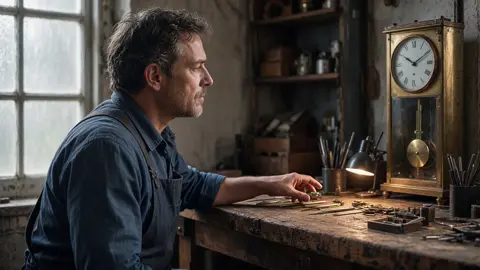
Profile ViewLegacy preview · not recipe-validated+1 variantMaintain a true side relationship to the face. Either left- or right-facing orientation is valid; preserve one readable facial silhouette without orbiting.
Reverse-Angle Coverage
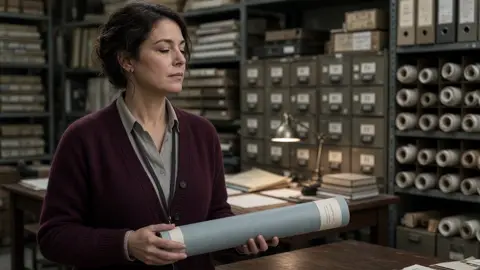
Reverse-Angle CoverageLegacy preview · not recipe-validatedUse separate views of the opposing participants. Keep camera stations on the established side of the interaction line and match the shared action at the cut.
Shoulder-Level Viewpoint
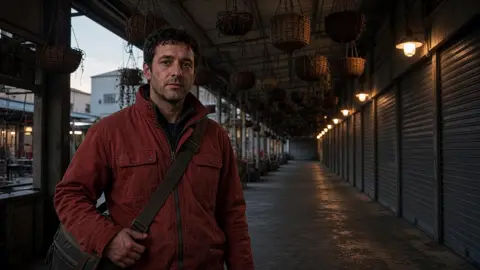
Shoulder-Level ViewpointLegacy preview · not recipe-validatedKeep the viewpoint near the subject’s shoulder height, slightly below the eyes; tracking is allowed if relative height and distance stay coherent, without inventing a foreground shoulder.
Front Three-Quarter View
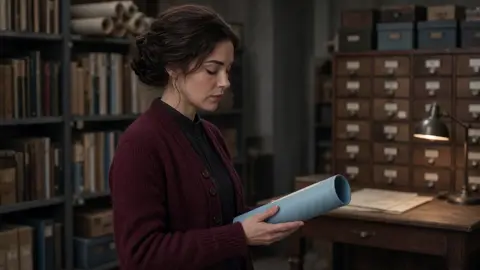
Front Three-Quarter ViewLegacy preview · not recipe-validated+1 variantUse a stable front-oblique view with both eyes visible and a narrower far cheek; do not drift into a full profile or rear three-quarter view.
Container / Trunk View
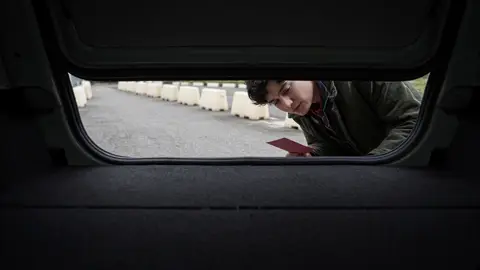
Container / Trunk ViewLegacy preview · not recipe-validatedLocate the camera inside the stationary container and retain its rim as a spatial border. Opening the lid changes illumination and visibility, not the camera’s attachment or height.